
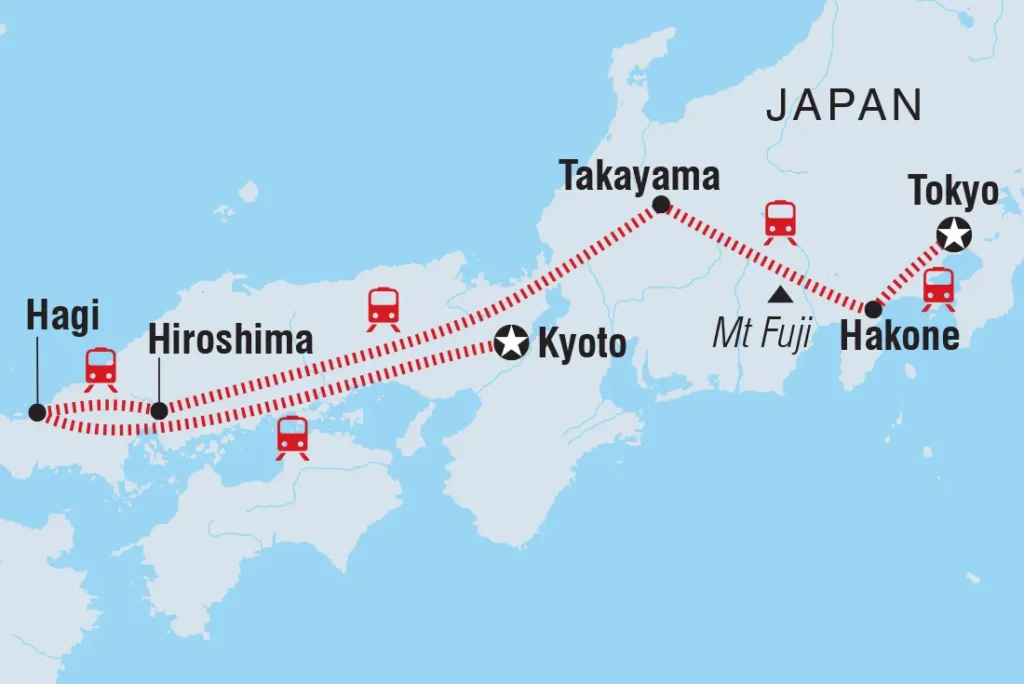
- Overview
- Trip Itinerary
- Trip Includes
- Trip Excludes
- Gallery
- FAQ
Steaming onsens, serene shrines and incredible hospitality – all in the Land of Rising Sun
No details found.
Itineraries
Day 1
Tokyo
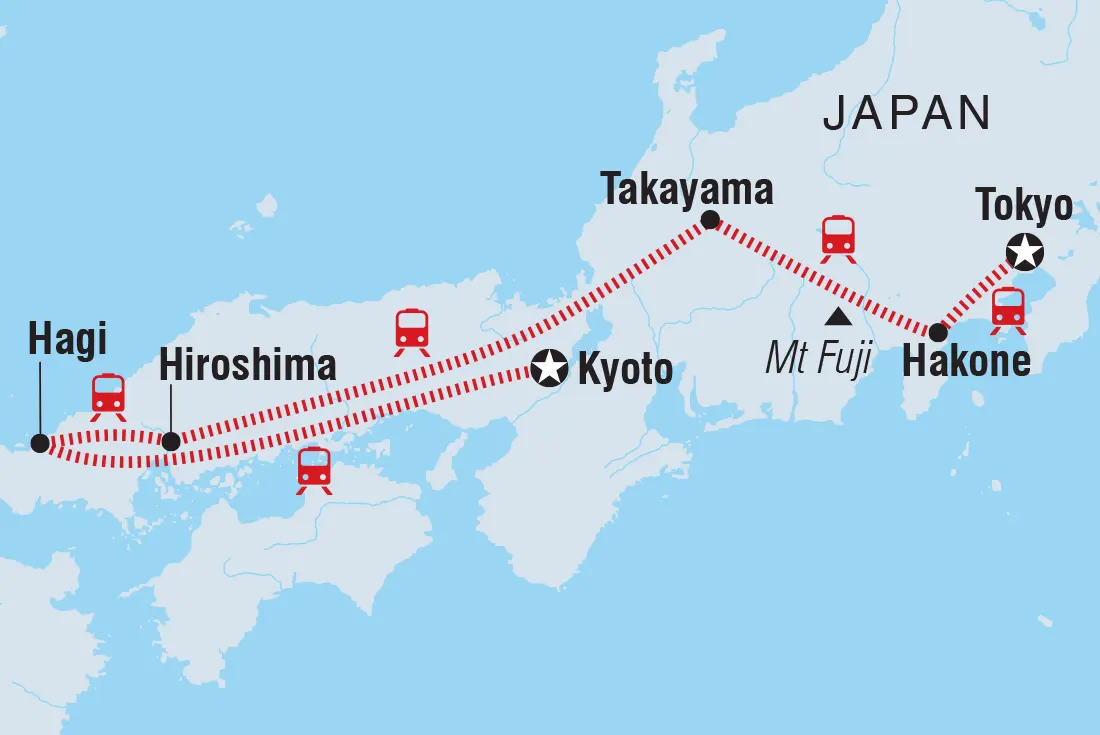
Konnichiwa! Welcome to Japan. Your adventure begins in Tokyo with a welcome meeting at 6 pm tonight. Bursting with contemporary urban culture, there are many sides of Tokyo to explore including fascinating museums, world-class shopping centres and neighbourhood backstreets lined with hole-in-the-wall eateries and bars. If you arrive early, maybe wander through the Hama Rikyu Garden, visit the Sumida Hokusai Museum or explore Ueno Park. After your meeting, maybe join your fellow travellers for dinner at a local restaurant.
Day 2
Hakone
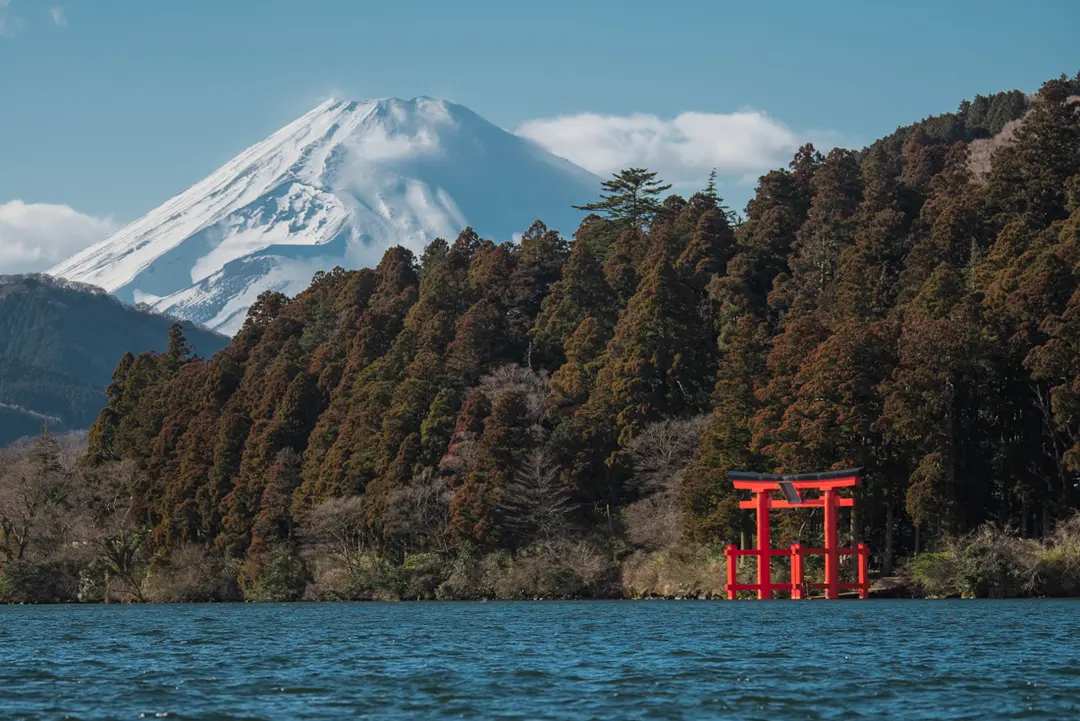
Enjoy a free morning in Tokyo and travel to Hakone in the afternoon – a scenic hot spring town in the foothills of Mt Fuji. When you arrive, the day is free for you to explore at your own pace. Maybe visit the iconic red gate that stands in the water of Lake Ashi, visit Hakone Shrine, wander through modern sculptures and beautiful gardens at the Hakone Open-Air Museum or simply relax in one of Hakone’s numerous onsens (hot springs). Tonight, why not find a local restaurant for dinner and try black eggs, which are cooked in the hot springs of Owakudani, paired with a local beer.
Day 3
Hakone
This morning, hop on a boat across Ashinoko Lake, then ride the Hakone ropeway cable car to the top of the surrounding mountains. The area around the lake offers plenty of stunning views, and you may even catch a glimpse of Mt Fuji in the distance if weather conditions are clear. The afternoon is free to further explore Hakone’s mountain scenery and volcanic sites. Maybe visit the boiling sulphur springs of Owakudani, go for a walk through the hills of the famed grassland ecosystem of Sengokuhara or discover a collection of art at the Pola Museum of Art.
Day 4
Takayama
Travel by a local train, then a shinkansen towards Takayama – a charming Edo period town in the Japanese Alps, famous for its traditional inns, sake breweries and the Hida Folk Village. The village is your first stop – an outdoor museum where the traditional thatched-roof architecture unique to the area has been relocated to a mountain setting to preserve traditional Japanese culture. Discover the techniques used to build farmhouses that could withstand fierce winters and long periods of isolation due to snow-closed roads. The thick thatching kept in warmth, and the roofs were angled to minimise snow build-up. Each house is like its own self-contained museum, with displays of personal items and traditional tools. Tonight, maybe join your group for dinner at a local restaurant – your leader will have the best recommendations.
Day 5
Takayama
This morning, you’ll head to the markets in Gifu prefecture – these markets have been held for over 600 years and are known for their array of high-altitude vegetables. Browse the stalls of seasonal produce that’s brought in from the surrounding countryside and set up by local farm women from 7 am every morning. Look out for the unique local style of pickles, the bags of miso wrapped in leaves, genkotsu ame (soy bean candy), preserved fish, spices and the delicious marshmallow treat, owara tamaten. Then, head to Zenkoji Temple to learn how to make incense, which is believed to have purifying qualities. The rest of the day is free for you to explore the town at your own pace.
Day 6
Hiroshima
Travel by express train and shinkansen to Hiroshima today. When you arrive, you’ll visit Hiroshima’s Peace Park. The Genbaku (A-Bomb) Dome and Peace Memorial Museum stand testament to the fateful day in August 1945 when Hiroshima was chosen as target for the first ever wartime use of the atomic bomb. The dome was just metres from where the bomb detonated so it was able to retain its shape and the fact that it looks almost exactly as it did after the bombing has made it an enduring symbol of peace. The memorial park serves the same purpose, and has museums, memorials and monuments dedicated to the memory of victims. This evening, maybe head out with your leader for one of the city’s signature dishes for dinner – okonomiyaki (a savoury pancake of egg, cabbage, soba noodles and meat or seafood).
Day 7
Hiroshima
Today you'll make your way to the nearby island of Miyajima with its famous 'floating' torii gate. You might like to further explore the island by climbing to the top of Mt Miyajima (or hopping on the cable car instead) for 360-degree views of the Inland Sea. Keep your eyes out for inquisitive and hungry deer that roam the streets. You have the rest of the day free to enjoy some of the other sites. You could stop by the five-storied Hiroshima Castle, which originally dates to the 1590s. It was destroyed by the bomb but reconstructed in all its glory in the 1950s and now holds an informative museum. The wonderful Shukkeien Garden, with teahouses and waterfalls, is also a perfect place to decompress.
Day 8
Hagi
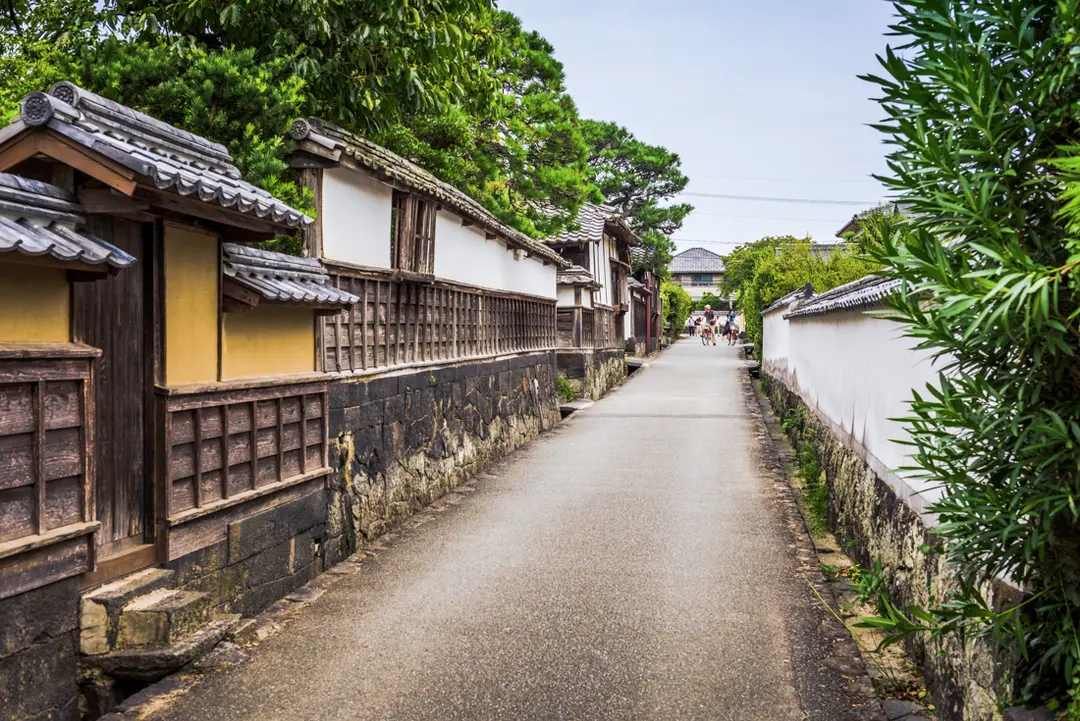
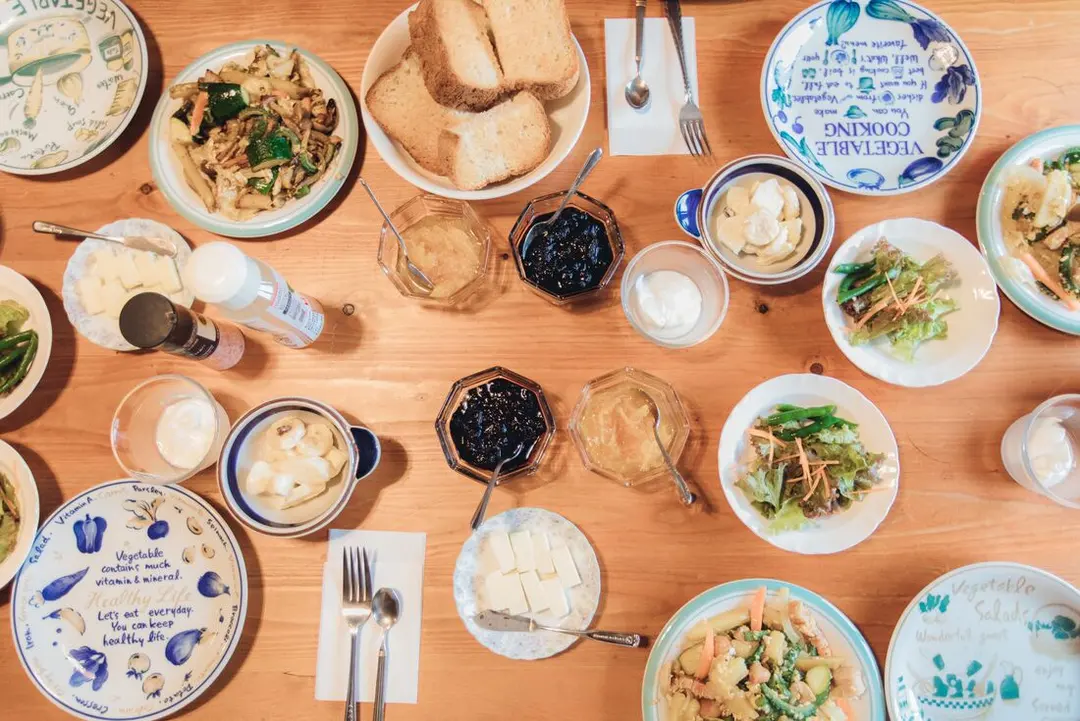
This morning, travel to Hagi – a coastal city known for its spring cherry blossoms and forested slopes of Mt Shizuki. When you arrive, take a walking tour around the Samurai District. Wander through the middle- and lower-class samurai houses and merchants, then walk down the widest street and main road where the feudal lord’s processions passed. During your walking tour, you'll also visit the Former Kubota Family Residence - the old house of a former kimono and sake brewing business man, which is very representative of life in the area over 100 years ago. Tonight, meet your homestay family and sit down to a home-cooked meal.
Day 9
Hagi
This morning, go with the flow and dive into the day to day life in Hagi with your host. Maybe check out their gardens and vegetables, visit the local supermarket for some shopping or walk around the neighbourhood. Each host will have their own plans. This afternoon, you’ll regroup and hop on a bike to explore the countryside of Hagi. But first, visit a local sake brewery and hear about the inspiring story of the local female sake brewer and how she’s broken the taboo and taken on the family business to continue brewing as one of the very few female sake brewers in the country. Then, continue your cycling tour to explore the countryside of Hagi. Later, head back to your homestay for another night with your host family.
Day 10
Kyoto
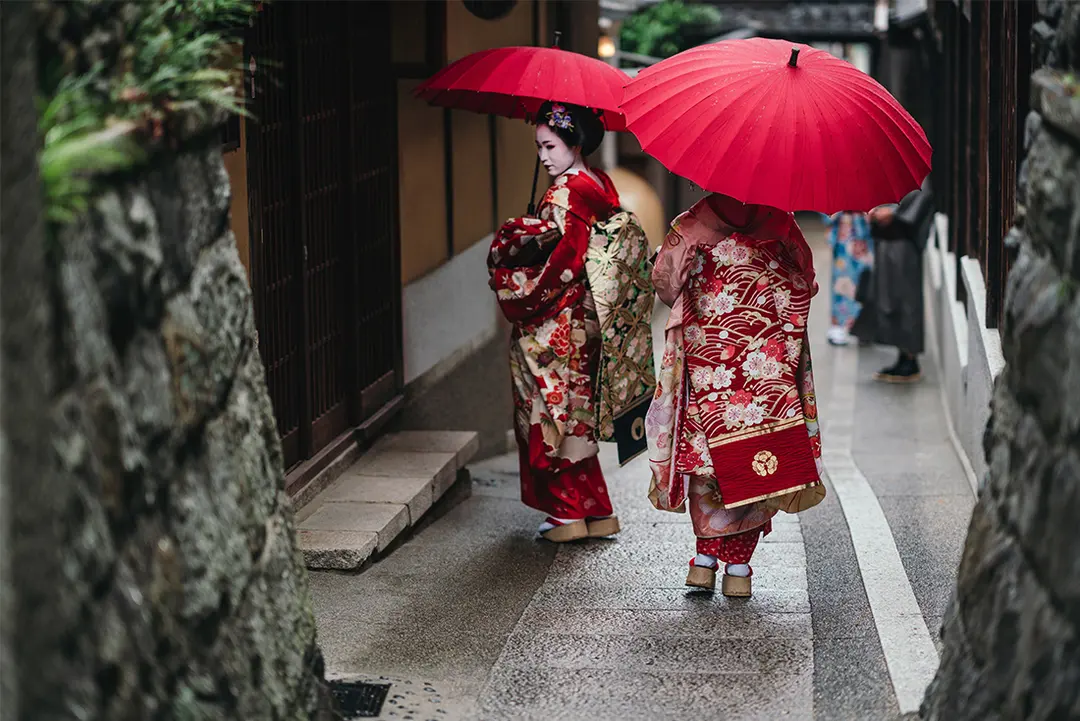
Leave Hagi today and travel to Kyoto. Originally founded as Heian-kyo (‘tranquility and peace capital’) by Emperor Kammu in 794, Kyoto was the capital of Japan for over 1000 years, but the emperor and government are now in Tokyo. With over 2000 temples, shrines and gardens, there’s plenty to explore in this gorgeous city. Your leader will take you on a sunset walk through the Gion District (look out for wandering Geisha and Meiko!). Tonight, maybe find a local restaurant for dinner and try some traditional sushi or beef.
Day 11
Kyoto
Start your day with a visit to the iconic Kinkakuji Temple, with its impressive Golden Pavilion, immortalised by Yukio Mishima's novel. Then, visit the red tori gates in Fushimi Inari. For the more active, hiking up the mountain following the red torii gates is a great way to enjoy the forest and the views over the city! Your afternoon is free to explore Kyoto at your own pace. Maybe head out in the evening with your group to celebrate the end of your adventure together.
Day 12
Kyoto
There are no activities planned for the day and you’re free to depart the hotel at any time after check out. If you would like to extend your stay, just get in touch with your booking agent ahead of time.
- 12 days guided touring through Japan from Tokyo to Kyoto
- Accommodation in Hotel (7 nights), Japanese Inn ( 2 nights), Home Stay (2 nights)
- 4 breakfasts, 2 dinners as outlined in the itinerary
- Boat, Public Bus, Cable Car, Ferry, Metro, High Speed Train, Train
- Included sightseeing and cultural experiences with local leaders
- Travel Insurance – your North Travel consultant can provide you with a quote. Get a quote now.
- Tourism visa or transit visa if required
- Upgrades to Premium Economy, Business Class and First Class available and to be quote at the time of booking.
- Itinerary deviations (e.g. extensions or specific airline requests). This will be quoted by a North Travel consultant at the time of booking.
- Professional service fee's (if any)
Advertised prices are not guaranteed until confirmed at booking. Prices are dynamic and may be affected by foreign exchange, airline, cruise, tour and supplier changes beyond North Travel’s control.
By making a booking or enquiry with North Travel, you agree to our General Terms and Conditions. Please visit https://northtravel.co.nz/terms-and-conditions/
While it's not strictly mandatory for all bookings, North Travel highly recommends and, in many cases, requires you to have adequate travel insurance for international travel, and strongly advises it for domestic trips. It's a non-negotiable for your peace of mind and protection.
On some itineraries and tours you may be required to have comprehensive travel insurance by the travel supplier. One of our consultants can guide you on this.
North Travel's head office is located at 196 Bank Street, Whangarei, New Zealand.
We are a 100% New Zealand Owned and Operated Travel Agency.
Yes absolutely please give us a call on 0800 803 007.
If calling from outside of New Zealand please call +64 9 699 3074
Yes, we like to think we are.
In 2025 North Travel was a top 5 finalist at the NTIA Awards (National Travel Industry Awards).
North Travel is a fully bonded member of TAANZ (Travel Agents Association of New Zealand), an IATA Accredited Agency as well as a CLIA (Cruise Lines International Association) member.
North Travel operates strict financial management through client trust accounts and carries comprehensive indemnity and liability insurance at all times.
All members of the North Travel team carry out CPD (Continuing professional development) weekly through various industry training webinars, supplier updates and insurance compliance.